Learn Together Algorithm p.2
Introduction
In this lesson, we will explore the concept of a recursive function.
Recursive Function:
- Definition: A recursive function is one that calls itself, allowing it to define an entity in terms of itself.
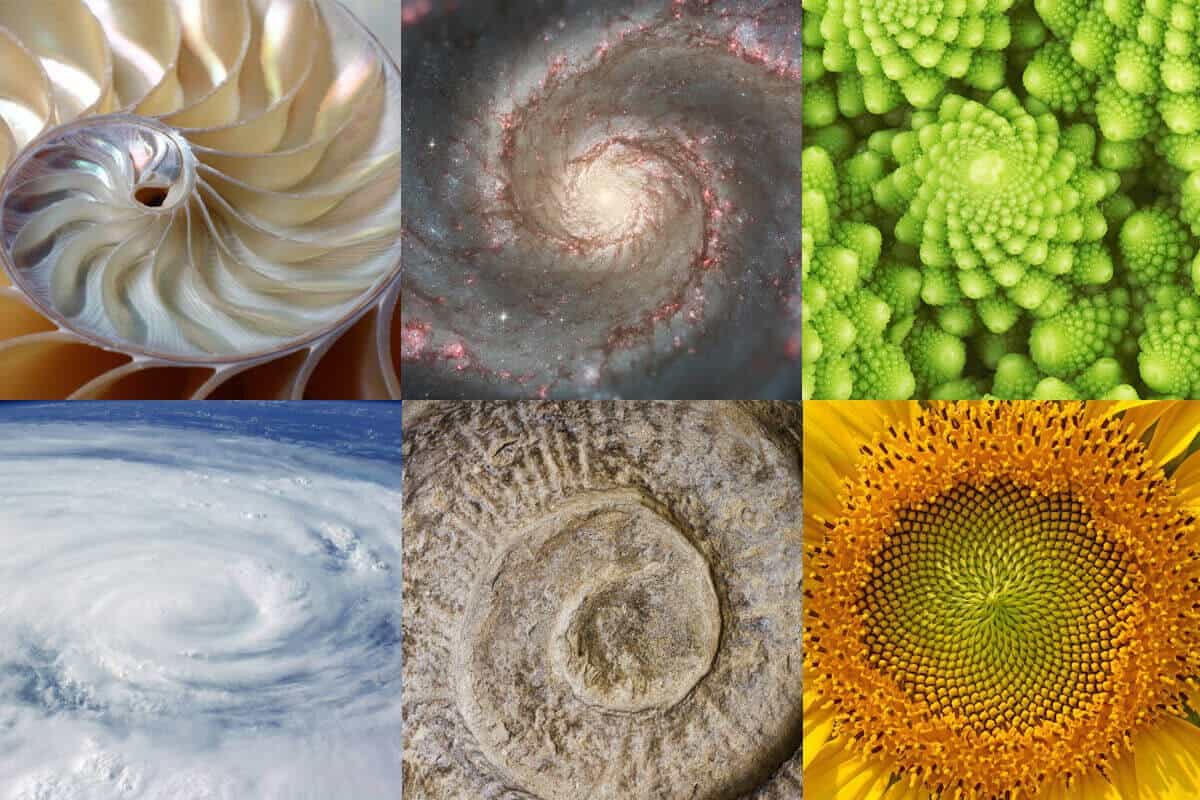
Example of Recursion in Nature:
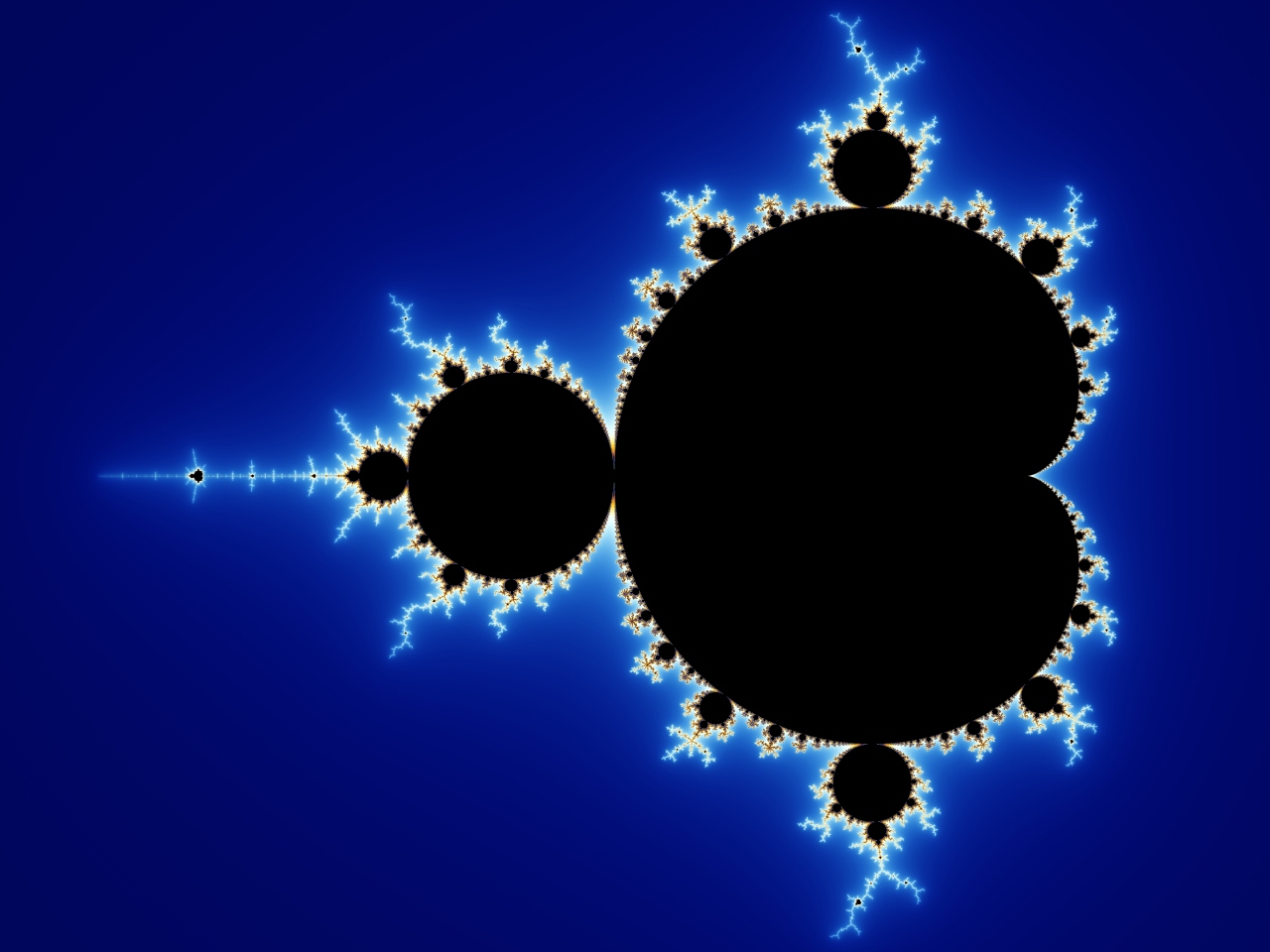
- Fractals: A fractal is a self-similar object, meaning it repeats its shape in the same way at different scales, appearing unchanged even when viewed through a magnifying lens. At first glance, it may seem complex, but it is generated from a very simple ordered source.
Recursive Algorithm:
- Definition: An algorithm is called recursive when its body includes calls to itself.
A Correct Recursive Function Has the Following Characteristics:
- Base case(s): The function includes one or more base cases where the function’s result is calculated without further recursion.
- Recursive calls: The function calls itself with arguments that progressively approach the base cases. (If these two conditions are not met, the function may not terminate or may not produce the correct result.)
Types of Recursion
-
Direct recursion: The procedure calls itself directly.
- Linear recursion: The procedure makes a single recursive call (e.g., factorial). An example of direct and linear recursion is the factorial function, which is defined as follows:
factorial function:
Require: n ≥ 0
1 function factorial(n)
2 if n = 0 then return 1
3 else return n * factorial(n-1)
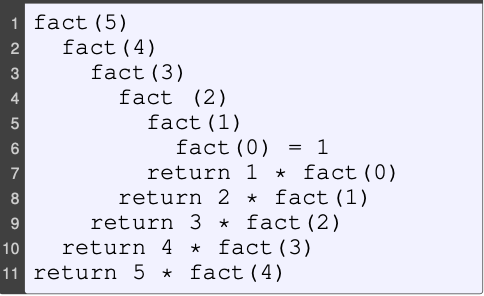
Esplicative example, watch the call stack for factorial(5):
-
Tail recursion: A special case of linear recursion where the recursive call is the last instruction of the procedure.
-
Multiple recursion: The procedure includes more than one recursive call (e.g., Fibonacci).
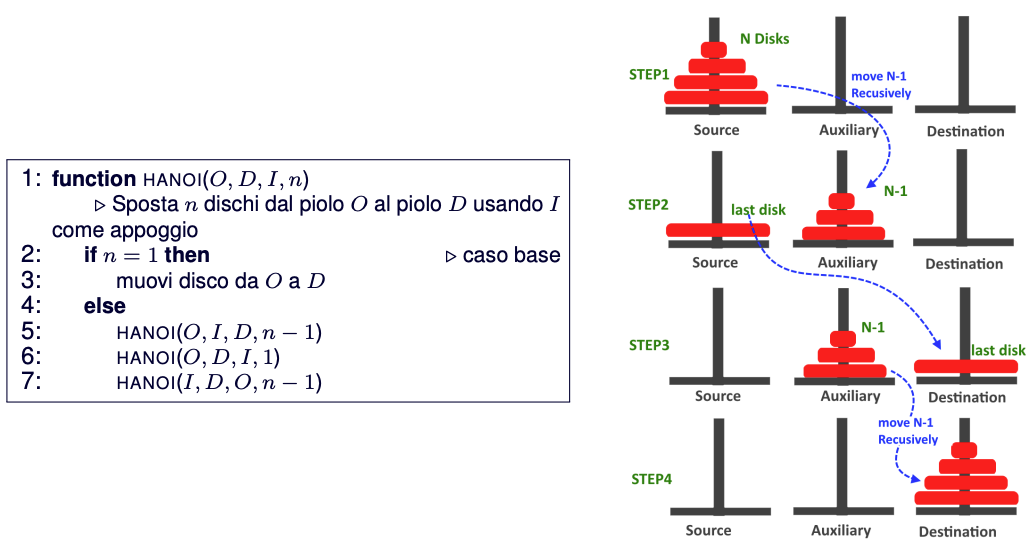
An example of direct and multiple recursion is the resolution of Hanoi Towers:
Anthoer example of multiple recursion is the Fibonacci function, which is defined as follows:
Fibonacci function:
Require: n ≥1
1: function FIB(n)
2: if n ≤2 then return 1
3: else return FIB(n−1)) + FIB(n−2)
Esplicative example, watch the call stack:
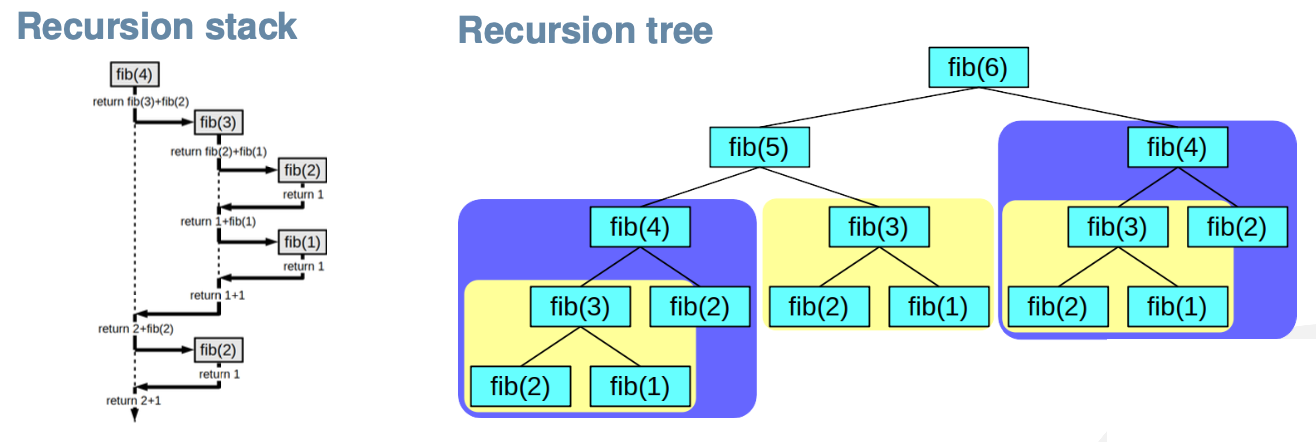
- Binary recursion: Involves two recursive calls. As a result, the calculation depends on two results from two different recursive calls to itself.
See the above example of the Fibonacci function where in the Recursion Tree Method, we saw that each node has two children.
- Nested recursion: The recursive call takes another recursive call as an argument (e.g., Ackermann function).
-
Indirect recursion: The procedure invokes another procedure that calls (directly or indirectly) the original procedure.
- Mutual recursion: A special case of indirect recursion where procedure A calls procedure B, which calls procedure A directly (e.g., even/odd).
Mutual Recursion Even/Odd function: 2 def even(n): 3 if n==0: return True 4 return odd(n+(-1 if n>0 else +1)) 5 6 def odd(n): 7 if n==0: return False 8 return even(n + (-1 if n>0 else +1)) -
Infinite recursion: Occurs when there is no reduction of the problem leading to a base case handled without recursion, which can lead to problems (e.g., stack overflow) if there is no mechanism to "terminate" the recursion.
Seample exercise:
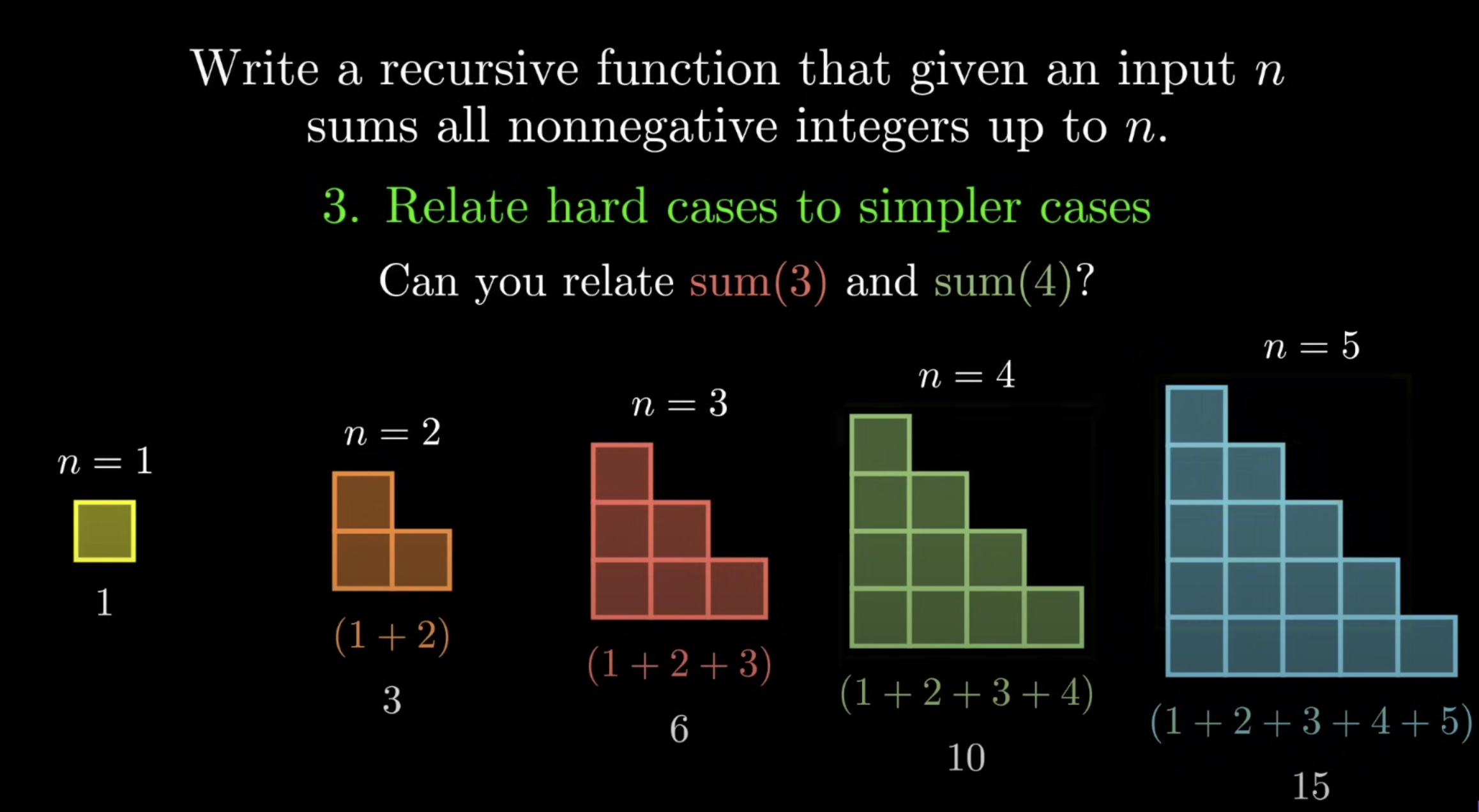
Solution:
Show the solution in TypeScript